Intended for parents/carers of, or patients who have been prescribed Epistatus.
Intended for parents/carers of, or patients who have been prescribed Epistatus.
Adults
About Epistatus®
What is Epistatus?
How to give Epistatus
Support for you
What is Epistatus?
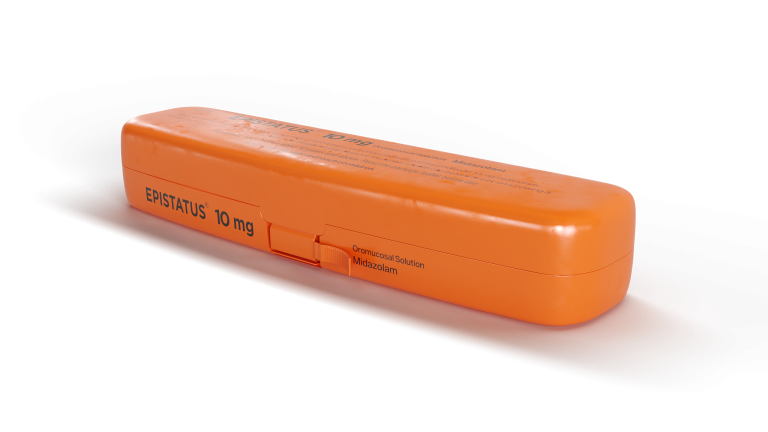
Epistatus is indicated for the treatment of prolonged, acute, convulsive seizures in adults, infants, children and adolescents aged 3 months and above*. Epistatus must only be used by parents / caregivers where the patient has been diagnosed to have epilepsy.
The active ingredient in this medicine is midazolam. Midazolam is a rapid-acting member of the benzodiazepine class of drugs. Benzodiazepines act by reducing the electrical activity in the brain, resulting in an anti-convulsant effect.
For further information, please consult the package leaflet or speak to your child’s doctor or healthcare professional.
*For infants between 3-6 months of age treatment should be in a hospital setting where monitoring is possible and resuscitation equipment is available.
UK-EPI-2400065
Date of Preparation: November 2024
How to give Epistatus
Epistatus should be used exactly as directed by the doctor or other healthcare professional. If the instructions on this page are different from what is written in the care plan, always follow the care plan instructions.
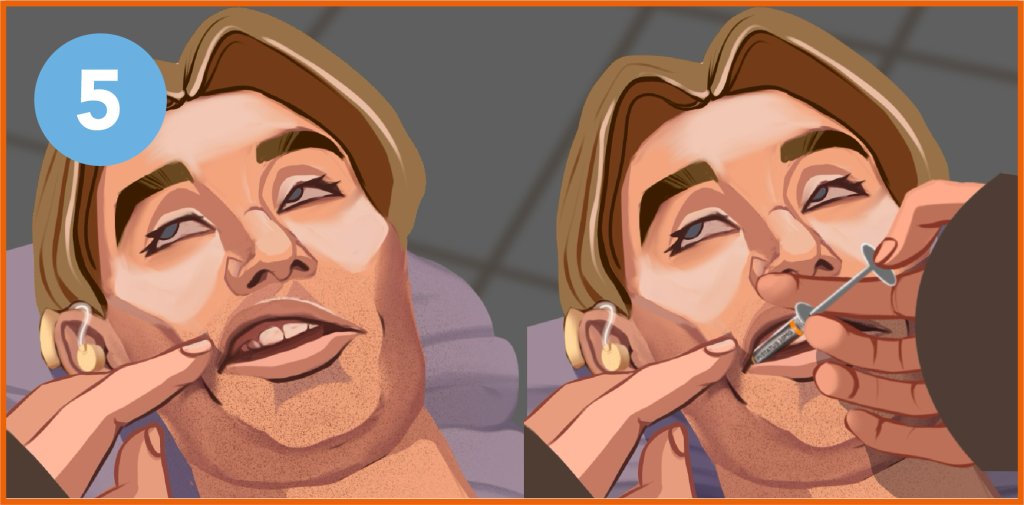
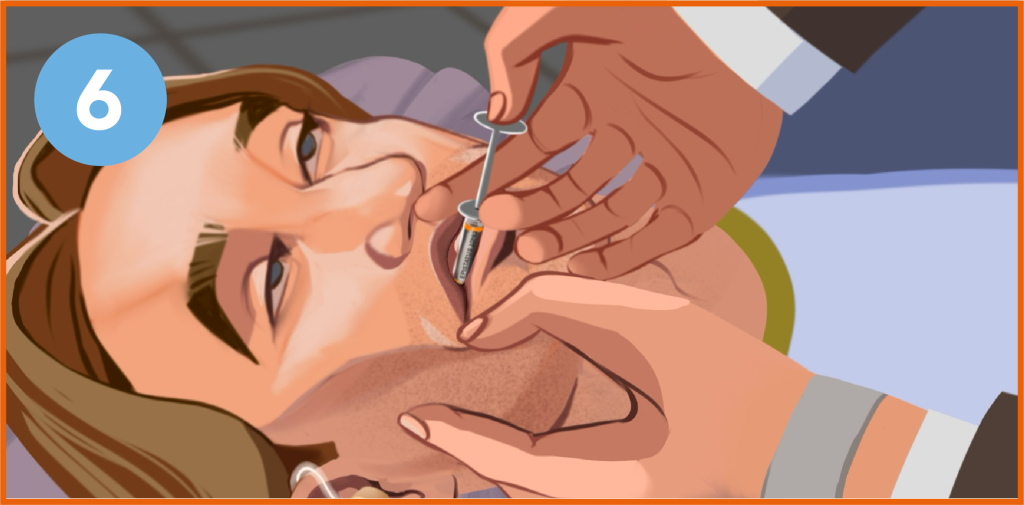
Epistatus is for oromucosal (“buccal”) use only, and must only be used in the mouth. It should be administered directly from the pre-filled buccal syringe into the person with epilepsy’s buccal cavity (the space between the inner cheek and the gums):
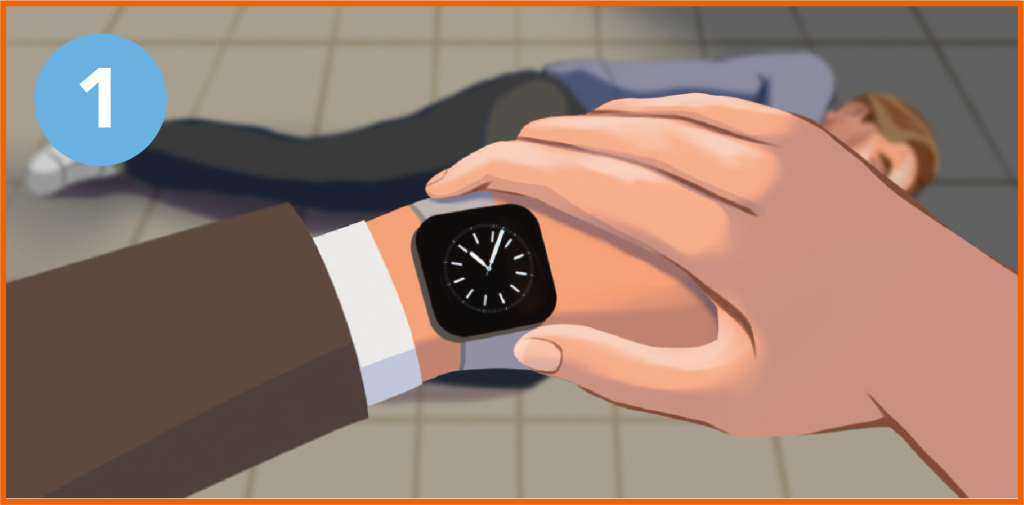
As soon as the person’s seizure starts, make a note of the time.
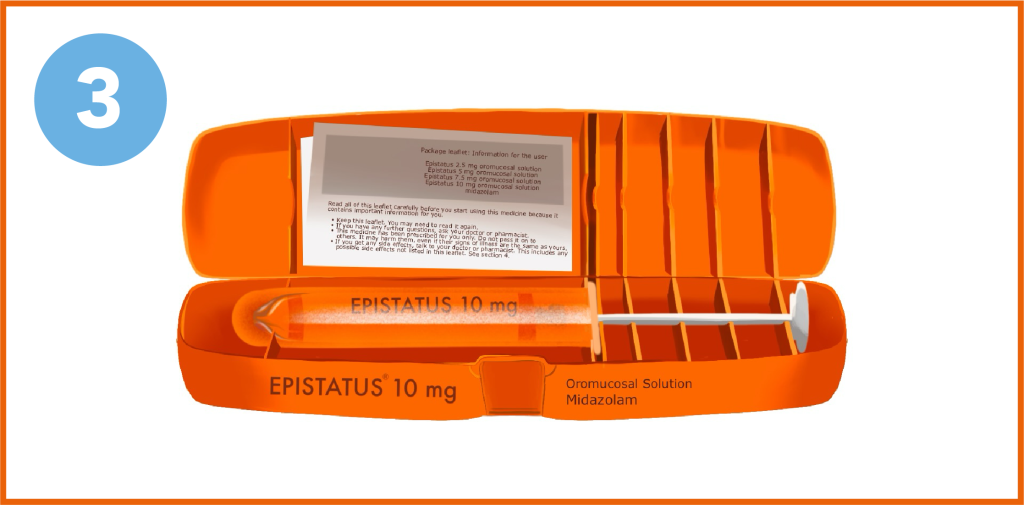
Place something soft under the head for protection and support. Locate the person’s Epistatus and continue timing the seizure. If it goes on for 5 minutes or more, Epistatus should be administered.
Check the medication for the expiry date, and do not use if the solution is not clear (e.g. cloudy or white particles present).
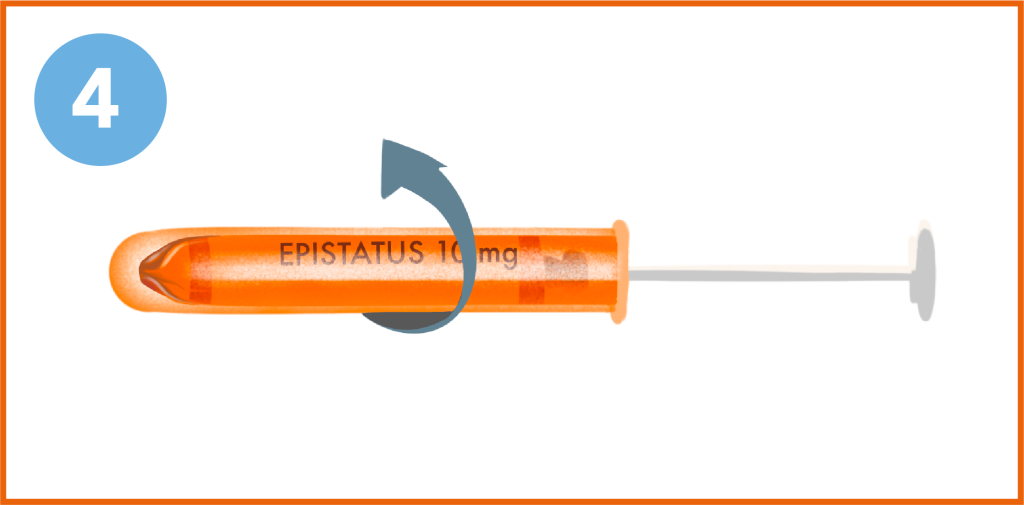
Unscrew the amber cap/sheath.
Pull back the cheek and insert into the space between the cheek and teeth (buccal cavity). Do not put in between teeth.
Administer medicine slowly, 2-3 seconds in each cheek, or just into one over 4-5 seconds if difficulty in accessing one buccal cavity.
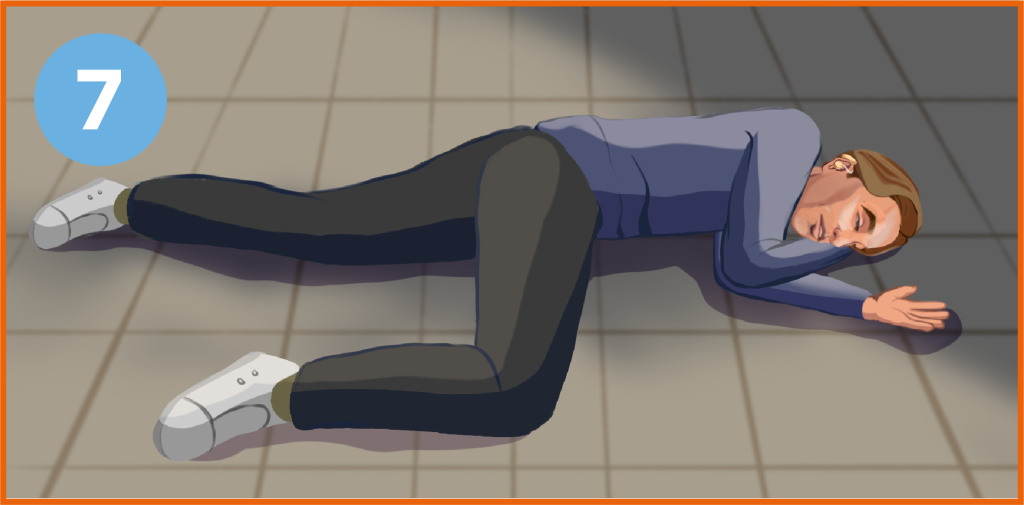
Dispose of the syringe and cap safely. Put the person into the recovery position once the seizure has finished.
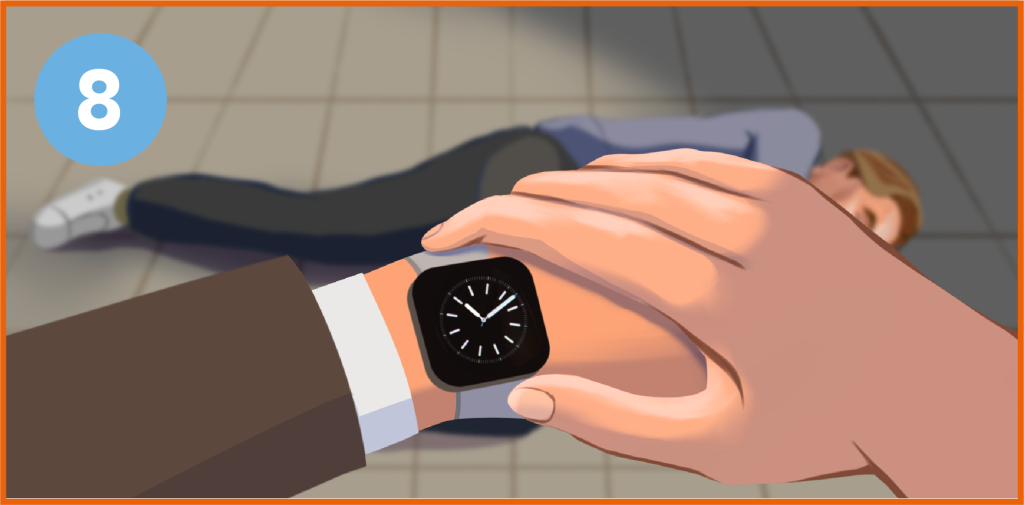
Note the time. If the person’s seizure does not stop within the time noted in their care plan to wait after giving Epistatus, call an ambulance.
Record what happened in the person’s care plan.
epistatus administration video
Everyone who might need to administer this medication should receive training; usually this is provided by your healthcare professional. The following video may be helpful as a training aid:
“how to administer epistatus” leaflet for patients and carers
There is also a leaflet with written instructions; this can be accessed and printed by clicking here.
The Expert Patient Programme is a self-management course for people living with long-term health conditions. The website can be accessed here: www.nelft.nhs.uk/epp/
“Epilepsies in children, young people and adults” NICE Guidelines
This guideline discusses the clinical diagnosis, treatment and emergency management of epilepsy
NICE have also provided a range of materials for patients, in a section of the website for guideline NG217 titled“Information for the Public”
Government help with funding
There are a number of provisions in place, which may be of help to patients and to their families, including medical exemption certificates; prescription prepayment certificates; tax credits and travel costs reimbursement schemes. Some of these are means-tested whilst others are universally available.
Further information is available via the following:
In order to claim some of this government assistance, your healthcare professional will need to complete and sign a medical exemption certificate for you.
This is a promotional website intended for licensed healthcare professionals or prescribed patients in the United Kingdom or Republic of Ireland. Please select one of the following:
UK-EPI-2400071 | Date of Preparation: May 2026
We use cookies to ensure that we give you the best experience on our website. If you continue to use this site we will assume that you are happy with it.